In this guide, we’ll explore the core differences between pizza ovens and regular ovens, how each impacts flavor and crust, and which is best suited for your style of at-home pizza making.
Heat and temperature: The biggest factor
Temperature is one of the main reasons home-baked pizza can differ from restaurant-quality pies. The level of heat each oven generates has a direct impact on cooking time, dough structure, and crust crispness.1
How hot do pizza ovens get?
Pizza ovens—especially high-performance models—are built to reach very high temperatures. Most outdoor pizza ovens, including gas and wood-fired options, can reach between 700°F and 900°F. These extreme pizza oven temperatures allow the pizza to cook in just 60–90 seconds, creating a charred, crisp crust with a chewy interior, particularly ideal for Neapolitan pizza.
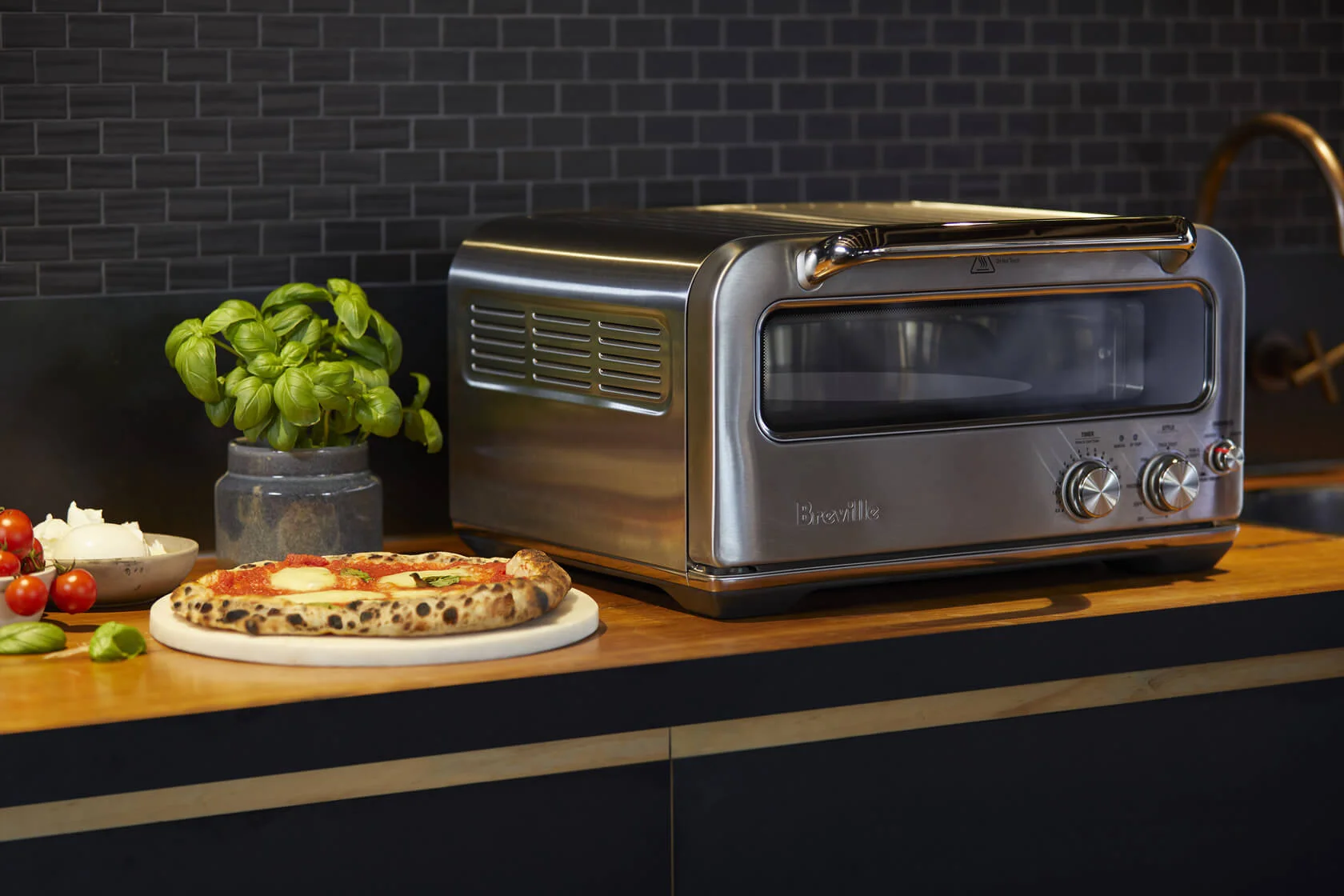
Wood-fired pizza ovens or gas-powered models like the Breville Pizzaiolo are specifically designed for fast heat retention and even cooking, mimicking the results of traditional brick ovens found in pizzerias.
Regular oven limitations
In contrast, a regular oven typically maxes out between 450°F and 550°F. While this is sufficient for many baked dishes, it can limit your ability to cook pizza with the same intensity and speed. The longer cooking times also increase the risk of a drier crust or uneven melt.
Crust and texture: How cooking method impacts the final pizza
One of the clearest differences between a pizza oven vs. regular oven is how the crust turns out. This comes down to how each oven manages heat, airflow, and moisture.
Crispy vs. soft: Which oven produces the best crust?
High-heat pizza ovens quickly puff up the edges of the dough, forming a bubbly and slightly charred crust that remains chewy in the center.2 The intense heat crisps the bottom while preserving interior softness, making it easier to replicate the texture of wood-fired pizza or Neapolitan-style pies.
In comparison, a home oven often produces a more uniform bake across the entire crust. This can result in a softer, bread-like texture unless you use tools like a pizza stone or steel to mimic higher heat intensity.
The role of even heat distribution
Most types of pizza ovens use stone, brick, or stainless surfaces to radiate and retain heat efficiently.3 Combined with direct flame exposure (in gas or wood-fired models), this creates rapid and even heat transfer, essential for developing a crisp base.
Conventional ovens often have heat sources located at the bottom and rely on convection. While sufficient for general baking, it can lead to uneven results unless you take extra steps like preheating a pizza stone or turning the pizza mid-bake. Breville’s Crispy Crust Pizza Maker utilizes top and bottom heating elements to ensure the crispiest crust every time.
Moisture and sogginess: Preventing a limp pizza
Another major difference between pizza oven and regular oven is how well each handles moisture. The rapid cooking time and open-air design of pizza ovens evaporate surface moisture quickly, minimizing sogginess. Regular ovens, with longer bake times and enclosed spaces, can sometimes trap steam, especially if the toppings have high water content.
Pizza styles that work best in each oven type
Not all pizza types require a high-temperature oven. Some styles benefit from the slower, steadier baking environment of a regular oven.
Best pizzas for a high-heat pizza oven
If you’re aiming for Neapolitan, New York-style, or artisan pizzas, a pizza oven is the ideal choice. These styles depend on intense heat to achieve the right texture—light, crisp bottoms with blistered edges and evenly melted cheese.
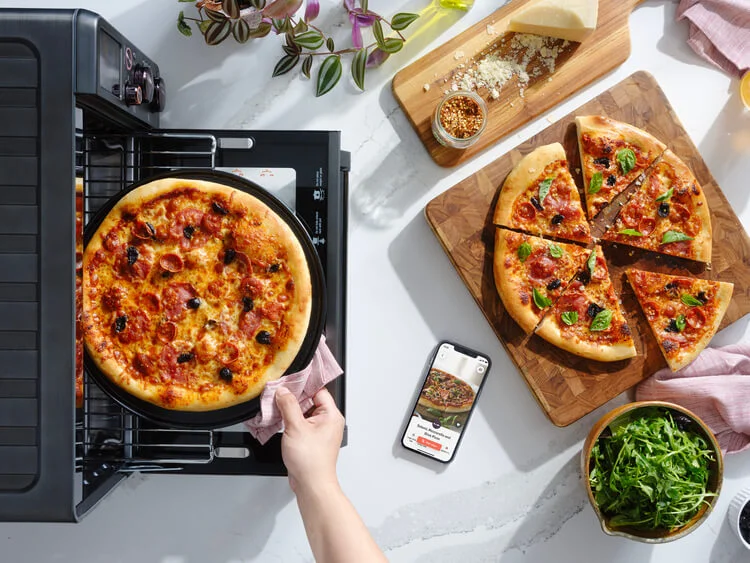
Breville pizza ovens are examples of countertop appliances that support these styles with speed and control.
Best pizzas for a regular home oven
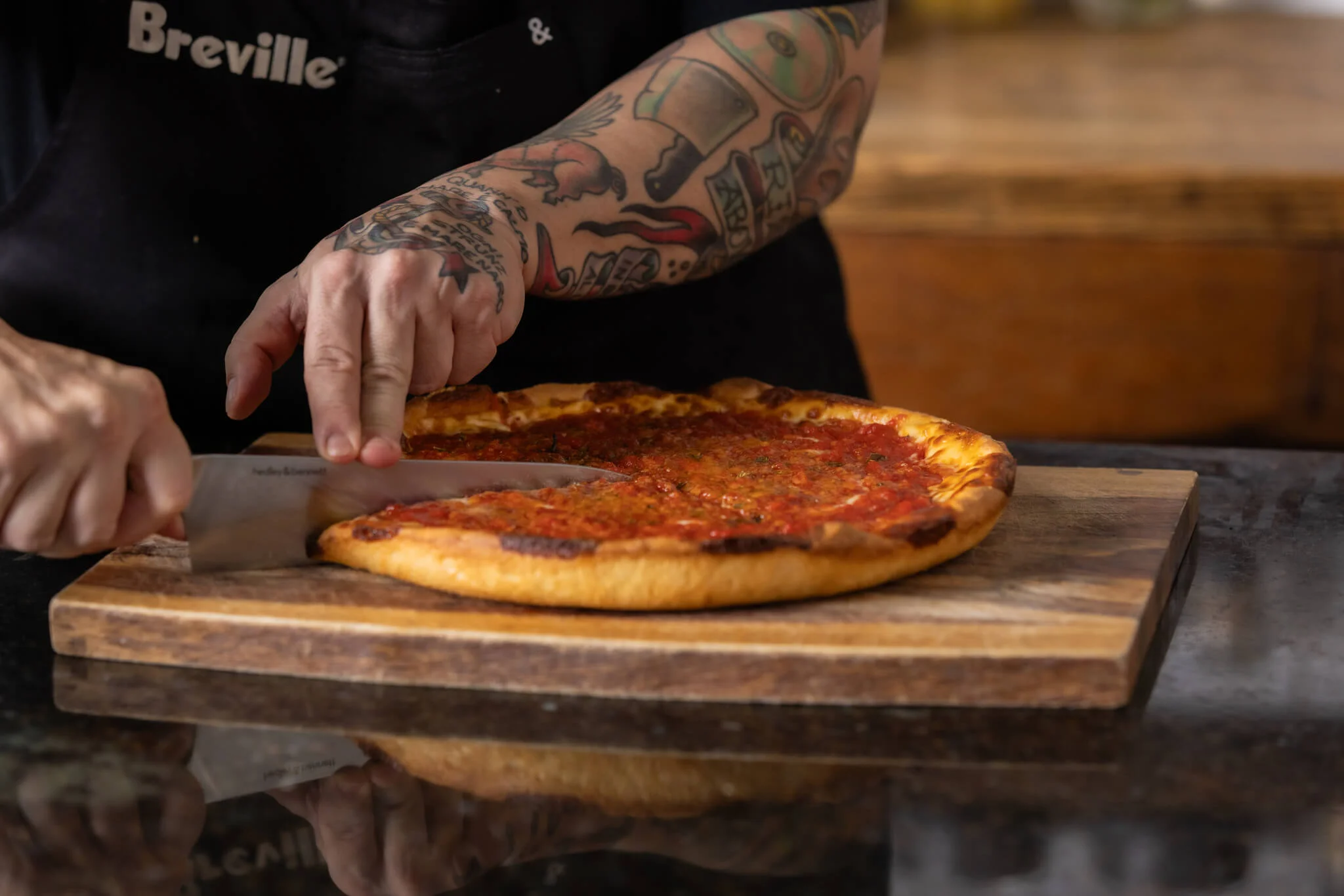
A regular oven works well for pan pizza, Chicago deep dish, or other thick-crust varieties. These styles benefit from longer baking times, allowing the interior of the crust and dense layers of sauce, cheese, and toppings to cook through without burning the top.
Adjustments to improve regular oven pizza
Even if you’re using a standard home oven, there are ways to get better results:
● Use a pizza stone or steel to create a hotter surface for the crust.
● Preheat for at least 30 minutes before baking to ensure maximum heat retention.
● Place the pizza on the lowest rack to allow the bottom to crisp more quickly.
If you’re wondering how to make crispy pizza crust in a conventional oven, these adjustments can help bridge the gap between pizza oven performance and home cooking.
Is a pizza oven worth it for home cooks?
Whether a pizza oven is right for you depends on how often you make pizza and what styles you prefer. If you're passionate about homemade, restaurant-quality results with bubbly, thin-crust pizza, a high-heat oven offers significant advantages.
Pizza ovens—especially indoor electric models and outdoor gas or wood-fired options—are designed specifically for pizza. This means they’re optimized for fast heat-up, intense cooking temperatures, and even heat distribution.
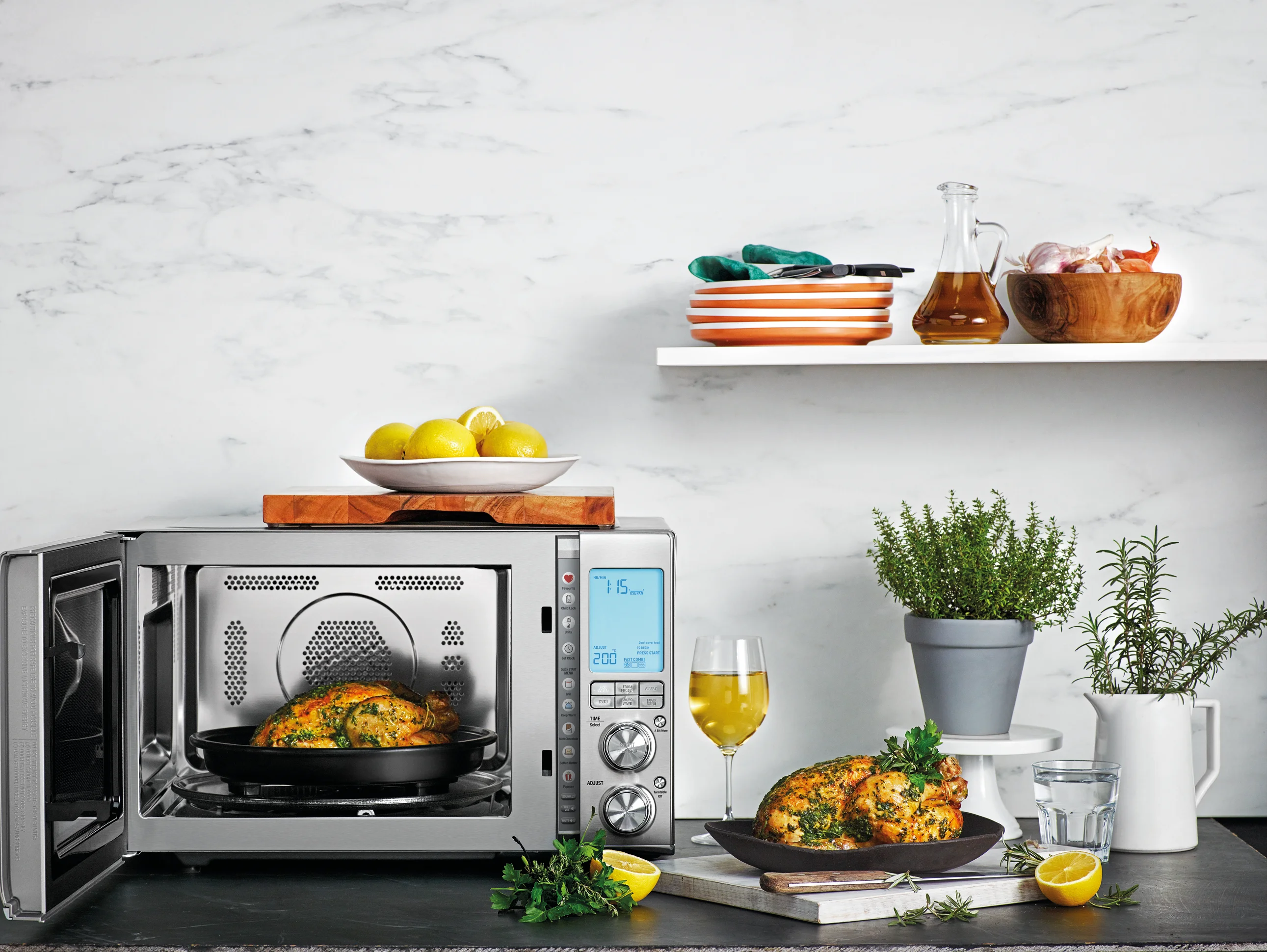
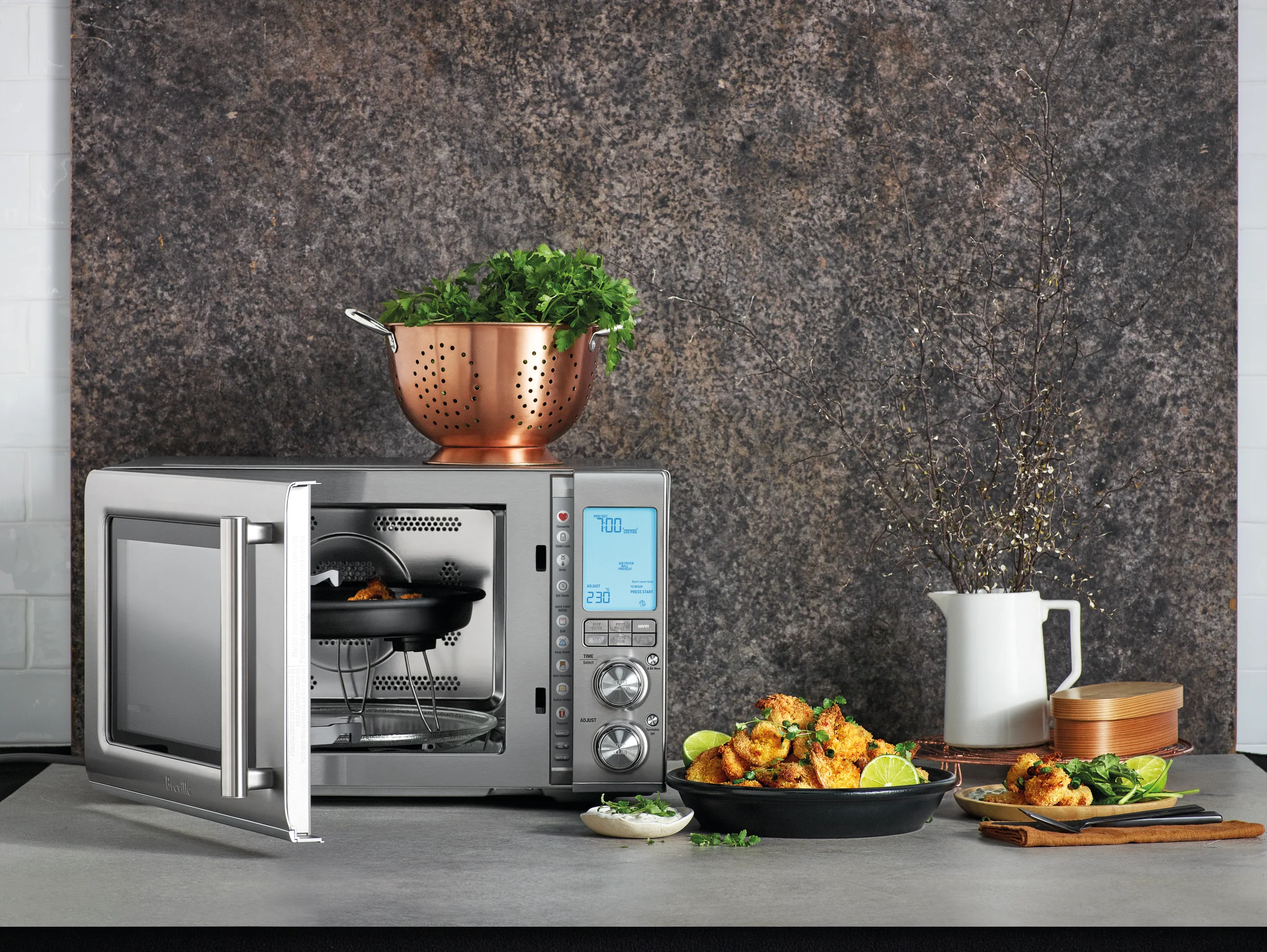
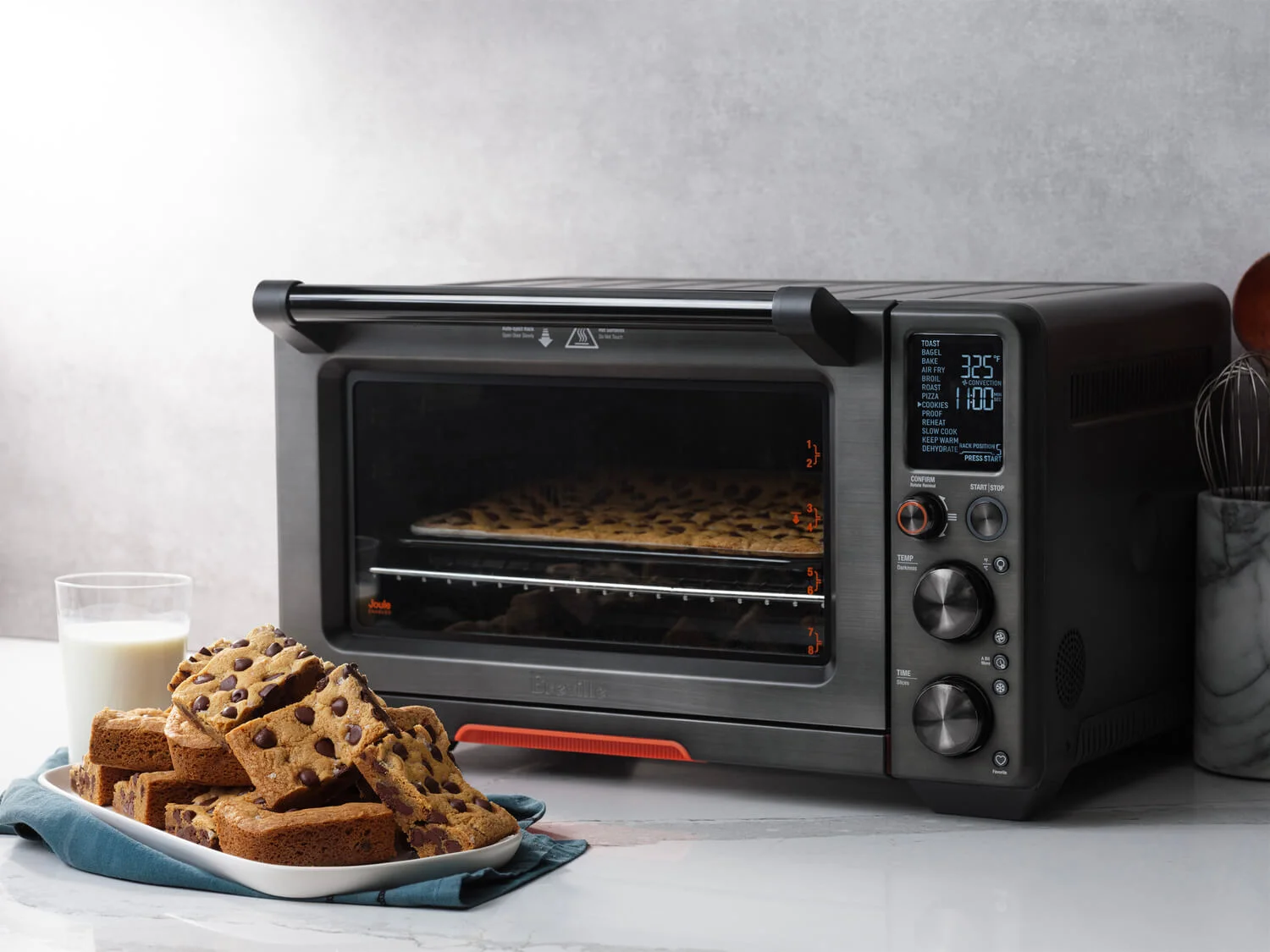
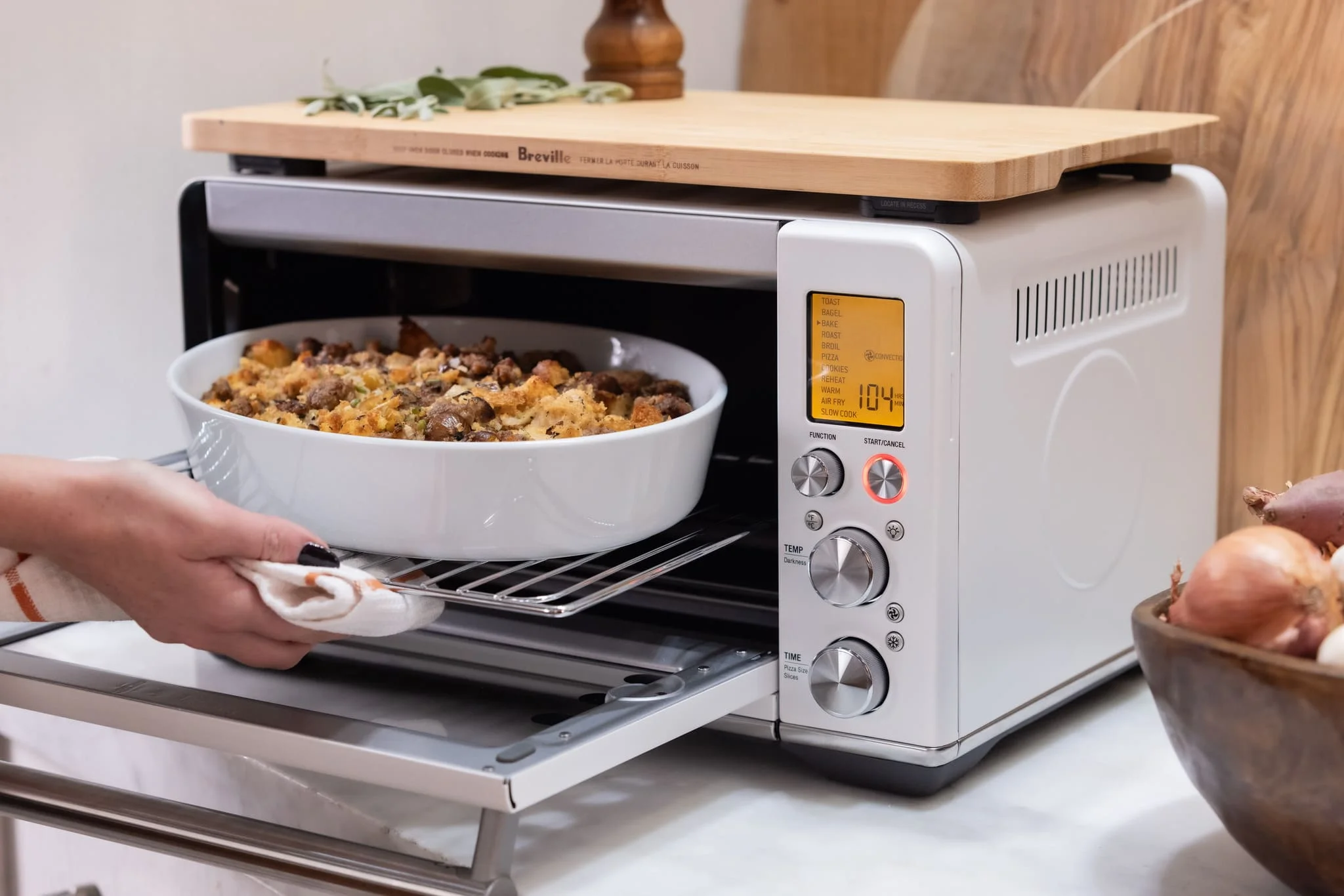
Breville countertop ovens and air fryers combine convenience with performance, helping you replicate that authentic pizzeria taste without leaving your kitchen.
For casual pizza makers or those with limited counter space, a regular oven still offers versatility and can handle a wide range of style pizza options with the right tools and baking methods.
Which oven fits your pizza-making style?
The decision betweena pizza oven vs. regular oven depends on your cooking style, pizza preferences, and available space. Pizza ovens excel in high-heat performance and speed, delivering that signature restaurant-style crust, while regular ovens offer flexibility and accessibility for a broader range of dishes.
If you’re ready to elevate your at-home pizza making, explore Breville’s collection of high-performancepizza ovens. Whether you're cooking for a crowd or experimenting with your own pizza dough recipe, Breville’s kitchen appliances are built to deliver precision, power, and consistently delicious results.
Sources:
1. Daily Meal. Why Pizza Always Tastes Better At A Restaurant Vs At Home. https://www.thedailymeal.com/1646921/why-restaurant-pizza-taste-better-than-homemade/
2. Pizza Blab. The Complete Guide to Crispy Pizza: All the Ways to Create a Crispier Crust. https://www.pizzablab.com/learning-and-resources/practical-guides/guide-to-crispy-pizza/
3. Toast. Pizza Ovens for Restaurants: Everything Operators Need to Know. https://pos.toasttab.com/blog/on-the-line/pizza-ovens-for-restaurants?srsltid=AfmBOop1r6KuvFpRCv7qBxpGFnkxeqWifgwM3UCobOHgOlHYp0Lb8rtj